High temperatures, extreme cold, snow accumulation, high humidity, wind speed, altitude, and dusty environments are among the most critical environmental factors that directly affect the operating characteristics of diesel generators. Each of these factors can create significant operational challenges and have a measurable impact on performance. Seasonal variations and extreme weather events, particularly severe cold and snowstorms, clearly demonstrate the vulnerability of energy infrastructure. Under such extreme cold conditions, the reliable start-up and operation of diesel generators are of critical importance to ensure energy continuity.
Studies indicate that cold weather conditions slow fuel flow in diesel engines, limit battery capacity, and increase mechanical resistance during initial engine start-up [1]. These factors make it more challenging for generators to engage reliably at low temperatures. However, when appropriate precautions are taken, diesel generators can operate smoothly and reliably even in cold climates.
Why Are Diesel Generators Critical in Cold Weather?
During periods of extreme cold and snowstorms, the increased frequency of grid failures elevates diesel generators from being merely backup power sources to becoming essential elements of energy security. This situation is of vital importance, particularly for critical facilities such as hospitals, telecommunications infrastructure, residential areas and industrial plants that require uninterrupted power supply. The ability of generators to start quickly and reliably during snowstorms and freezing events is a decisive factor in maintaining operational continuity and preventing potential economic losses.
Cold weather conditions can negatively affect not only the mechanical performance of diesel generators but also their electrical system performance. Low temperatures:
-
Reduce the flowability of diesel fuel,
-
Increase engine oil viscosity,
-
Decrease the effective capacity of batteries,
-
Cause the engine to require higher torque during initial start-up.
These effects make it essential for diesel generators to be specifically configured for cold climate conditions [1].
Reliable Operating Principles of Diesel Generators in Extreme Cold Conditions
For diesel generators to operate reliably under environmental conditions such as extreme cold and snowstorms, engine components, coolant, air intake systems, and electrical elements must be maintained within a specific temperature range. Auxiliary systems used for this purpose minimize risks during initial start-up and enhance operational stability [2]. Options such as engine block coolant heaters, canopy heaters, motorized louvers, high-capacity batteries, and battery heaters significantly improve cold-weather performance and ensure reliable generator start-up during extreme winter conditions, including snowstorms. Working together, these systems keep both mechanical and electrical components at optimal temperatures, thereby safeguarding energy continuity.
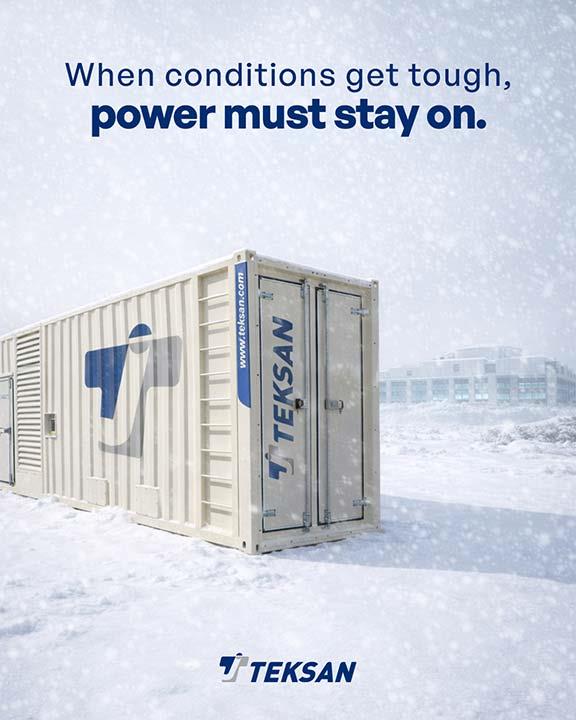 Recommended Options for Diesel Generators Operating in Cold Weather
For diesel generators intended for use in cold climates and regions exposed to snowstorm risks, the following options are recommended:
-
High-capacity engine block coolant heater
Keeps the engine coolant warm at all times, allowing the engine to start smoothly without excessive strain in cold conditions.
-
Canopy heaters
Help maintain a stable internal temperature within the generator canopy or container, protecting both electrical and mechanical equipment.
-
Motorized louvers (automatic louver system)
Control the direct entry of cold air into the engine compartment and automatically open or close based on operating temperature to maintain thermal balance.
-
High-capacity batteries
Compensate for capacity losses at low temperatures and enhance initial starting performance.
-
Localized heaters for batteries and control panels
Support stable operation of electrical components and protect the system during sudden temperature drops that may occur during snowstorms.
-
Insulated and heated canopy design
Protects the generator from wind, snow, and freezing conditions, contributing to long-term and stable operation.
Evaluating these options collectively enables diesel generators to start reliably even under extreme cold conditions below −20 °C and during severe snowstorms.
Conclusion: Energy Continuity in Extreme Cold and Snowstorms Is Achieved Through Proper Configuration
Cold weather and snowstorms should not be viewed as weaknesses for diesel generators, but rather as environmental conditions that can be effectively managed through proper engineering approaches and appropriate option selection. Solutions such as engine block coolant heaters, canopy heating systems, motorized louver mechanisms, high-capacity batteries, and battery heaters significantly enhance generator performance at low temperatures. These options enable reliable and trouble-free commissioning of generator systems even under harsh winter conditions such as snowstorms. Academic and technical studies demonstrate that diesel generators configured for cold climates offer high reliability even in extreme winter environments [1].
📚
References (APA)
Abdullah, N. R., et al. (2023).
Effects of low charge and environmental conditions on diesel generator operation. Energies, 16(4).
Whjlmech. (2025).
Why diesel generators fail to start in low-temperature climates.